When it comes to financing a home, choosing the right mortgage is crucial. With so…
USDA Loan Requirements Texas: No Down Payment Buying Guide
Owning a home in a Texas rural area does not require a large cash payment. The USDA program allows eligible buyers to buy a home with zero percent down. Mortgage Solutions LP has helped families find USDA loan options since 2011.
Ready to see if you qualify? Get pre-approved today.
USDA loan requirements Texas families need to know start with buying a primary home in an eligible rural area. You must also show a total household income that is not more than 115 percent of the local median. This government-backed program provides a zero down payment path for families who want to avoid high monthly insurance costs. Borrowers typically need a stable job history and a credit score of 620 or higher to qualify. As a local Texas mortgage broker, we connect you with financing that fits your budget and future goals. This program helps you buy a home sooner without the stress of a large cash payment at closing.
Many people ask if their town or house meets the strict rules for these zero-down loans. Our first-time homebuyer Texas programs guide and first-time homebuyer guide explain how to check your area. Understanding USDA Loan Eligibility is the first step to getting your keys. The path begins with checking if your target property sits in an eligible zone.
USDA Loan Requirements Texas: Which Properties and Locations Qualify?
USDA loan eligibility requires the home to be your primary residence in a USDA-designated rural area (population under 20,000). The property must be a single-family home that meets safety standards. You do not need to work in farming, and many suburban areas near Texas cities qualify. Use the USDA Property Eligibility Map to check any address before you start the application process.
The USDA loan program focuses on where you choose to live. To get a loan with no money down, you must buy a home in a rural area. The USDA says these areas are places where fewer than 20,000 people live. In a big state like Texas, many small towns fit this rule well. You can find homes that qualify in wide-open spaces or on quiet streets outside of city limits.
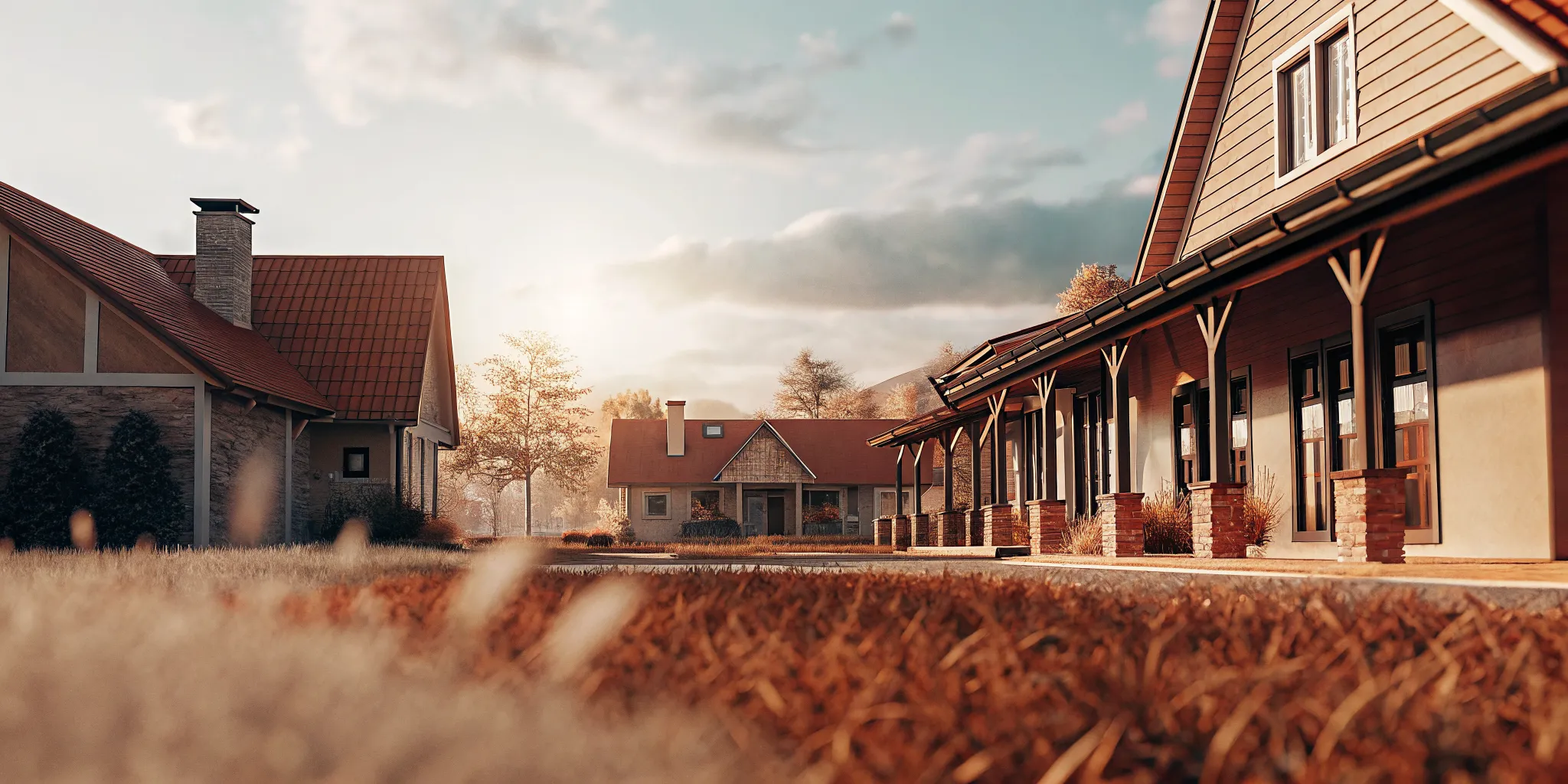
Eligible rural and suburban areas in Texas
Even if you work in a city, you might find a home just a few minutes away that fits. Many suburban areas on the edge of places like San Antonio or Austin are still eligible for these loans. The best way to check an exact spot is to use the USDA Property Eligibility Map on the main government site. This tool lets you type in any address to see if it fits the area rules. If you are looking for USDA loan options in Texas, we can help you find a spot that fits your needs.
Many people are surprised by what counts as rural. Some towns that feel like suburbs still fall under the USDA rules. This makes the program a great choice for families who want more room but still need to reach the city for work or school.
Primary home and property type rules
A USDA loan has a strict rule about how you use the home. It must be your main home. This means you must live in the house yourself. You cannot use this loan to buy a summer house or a rental property to earn extra cash. The goal of the program is to help families find a safe and stable place to live.
You can buy a new build or an existing home. You can even use the loan to buy a home that needs some work or fix-ups. No matter what type of home you pick, it must meet basic safety standards. These rules ensure the house is safe, sound, and ready for you to move in. If you are asking yourself “can I use a USDA loan for a specific house?” our team can review the details with you.
Knowing property limits and standards
One big benefit of this program is that there is no set price cap for the home. Other loans often limit how much you can spend. The USDA focuses more on your income and the home’s location. This gives you more freedom to find a home that fits your family’s size and your budget. You also do not have to worry about strict limits on the size of the land.
The home must be a single-family unit and meet local building codes. It should be a standard home rather than a business site. While the name “USDA” sounds like it might be for farmers, you do not need to work in farming to qualify. Most people who use these loans work regular jobs in nearby towns or cities.
What Are the Income Limits for USDA Loans in Texas?
USDA income limits in Texas require your total household income to be at or below 115% of the area median income for your county. The limit varies by location and household size. You can deduct eligible expenses like childcare costs for children under 12 and medical expenses to help stay under the cap. Check your specific county limit on the USDA eligibility site to get an accurate number.
To qualify for a zero-down loan from the Rural Development office, your income must fit within set caps. The USDA sets these limits to help families who need it most. In Texas, the main rule is that your household income cannot be more than 115% of the median income for your area.
How the USDA sets income caps
Income limits are not the same for every town or county in the state. The USDA looks at the median income for each local area to set the bar. Your household size also plays a big role in your limit. A family of five usually has a higher cap than a single person or a couple. You can check your address on the USDA site to see the exact numbers for your county.
Most Texas counties follow the standard limits. But some high-cost areas near big cities have higher caps. If you are a first-time homebuyer in Texas, knowing these limits is a key first step. These caps keep the program targeted to low and moderate earners, as shown by USDA Texas Direct Limits data.
What income counts toward the limit
When you apply, the lender looks at the money made by all adults in the home. This includes your base pay, yearly bonuses, and sales commissions. If you have a side job or own a business, that money counts too. They also look at sources like child support, rental income from other property, and social security. Every loan is subject to credit approval per NMLS 295065 rules.
The USDA counts everyone in the house who earns money. This is true even if they are not on the loan. This “household income” is not the same as the “qualifying income” used to set your loan amount. If your total household income is just over the limit, you might still qualify. You can often subtract some costs, like down payment assistance or childcare, to meet the rules.
Common income deductions
The USDA lets you subtract some costs to stay under the cap. Childcare costs for kids under 12 are one of the most common ways to lower your total. You can also subtract costs for caring for an adult with a disability who lives with you. If you have medical bills that insurance does not pay, those may also lower your household income for the loan.
These rules can be hard to track, so it helps to talk to a pro who knows the Texas market. A loan expert can help you add up your pay and subtract the right costs. This gives you a clear view of your status before you look for a home. W. Scott Sears, Residential Mortgage Loan Originator, Mortgage Solutions LP, NMLS 295065.
What Credit Score and Debt-to-Income Do You Need for a USDA Loan?
USDA loan credit score requirements typically start at 620 to 640, though some lenders may accept scores as low as 580 with manual underwriting. Your debt-to-income ratio should stay at or below 41% for the best approval odds. A stable two-year work history is also required. The USDA does not set a hard minimum credit score, so borrowers with non-traditional credit may still qualify through a manual review process.
To get a USDA loan in Texas, you must meet clear financial rules. These rules help make sure you can afford your home for years. Lenders look at how you manage debt and if you pay bills on time. These loans offer a 0% down payment, but they still have firm standards for credit and income. Mortgage Solutions LP works with people who have many types of credit files to find the right loan path.
Credit score needs for USDA loans
Most lenders in Texas look for a credit score of 620 to 640 for a USDA loan. This score helps you get a quick approval. If your score is 640 or higher, the lender may use a fast automated system to check your file. This often makes the loan move faster with less paperwork. You can see how this fits your plan in our first-time homebuyer checklist to get ready.
You might still get a loan if your score is below 640. Some lenders allow a score as low as 580. This usually needs a human to review your full financial history. A person will look at your rent and utility payments to see if you pay on time. Per USDA rules, a steady history is more important than a single number. We help borrowers find their way even with less than perfect credit.
Debt-to-income ratio limits
The debt-to-income (DTI) ratio is a big part of your USDA loan application. This ratio compares your debt to your pre-tax pay each month. For most USDA loans, your total DTI ratio should be 41% or less. This cap ensures you have enough cash for daily needs and home care. It counts your new mortgage payment, car loans, and credit card debt.
Lenders also look at your housing ratio alone. This is just your new home cost compared to your pay. This should stay below 29% of your gross pay. These caps can be higher if you have significant cash reserves or a very high credit score. The goal is to keep your costs at a level you can handle.
Steady pay and work history
A steady work history is key for a USDA loan. Lenders want to see that you have had a stable job for two years. You do not have to stay at the same company the whole time. It just means your pay should be steady or increasing. You will need to show tax forms and pay stubs to prove what you earn. Our team can help you look at loan options for your career path.
USDA Guaranteed vs. Direct Loans: What Is the Difference?
USDA Guaranteed loans come from private lenders with USDA backing for borrowers earning up to 115% of area median income. USDA Direct loans come directly from the government for very-low-income applicants at or below 80% of area median income. Direct loans offer subsidized interest rates as low as 1% with longer terms up to 38 years. Both require zero down payment and the home must be your primary residence in an eligible rural area.
Most Texas buyers use the USDA Guaranteed loan, but the USDA also has a Direct loan. Both help you buy a home with no money down. They serve different people based on income. The main difference is who provides the loan and how much you earn each year.
The USDA Guaranteed Loan Program
The USDA Guaranteed Loan (Section 502 GLP) is the most common path. Private banks or brokers provide these loans. The USDA backs the loan so lenders can offer 0% down to low-to-moderate income households. This helps more people buy in rural or suburban areas.
Your household income must be at or below 115% of the area median. These loans are often 30-year fixed-rate plans at market rates. You can check your home address and income limit at the USDA eligibility portal. Most lenders want a credit score of 640 or higher for this program.
The USDA Direct Loan Program
The Section 502 Direct Loan is for low-income and very-low-income buyers. You get this loan directly from the government through the Rural Development agency. It helps those who live in substandard housing and cannot get a loan from a conventional bank.
Direct loans are for people at or below 80% of the area median income. The USDA can lower your interest rate to as low as 1% for a set period. This makes the monthly cost much lower for you. The loan can last for 33 or 38 years for very-low-income buyers to help with affordability.
| Feature | Guaranteed Loan | Direct Loan |
|---|---|---|
| Lender | Private banks or brokers | USDA (Government) |
| Income Limit | Up to 115% of area median | Up to 80% of area median |
| Down Payment | 0% required | 0% required |
| Interest Rate | Market rates | As low as 1% (subsidized) |
| Loan Term | Usually 30-year fixed | Up to 33 or 38 years |
| Best For | Low-to-moderate income | Low and very-low income |
Both programs need the home to be your primary residence in an eligible area. Since each one has its own rules, talk to a loan expert to find the best fit for your needs. W. Scott Sears, Residential Mortgage Loan Originator, Mortgage Solutions LP, NMLS 295065.
How to Apply for a USDA Loan in Texas: Step-by-Step
Applying for a USDA loan in Texas starts with checking your property and income eligibility on the USDA site. You then work with an approved lender to get pre-approved, find a home in an eligible area. Submit your full application with tax returns and pay stubs, pass an appraisal, go through underwriting, and close on your loan. The entire process can move quickly when you have your paperwork ready in advance.
Buying a home with no money down is a path many Texas families take to reach their goals. The process for a USDA home loan involves several clear steps to ensure both you and the house meet the program rules. Following a set plan helps keep your closing on track.
Check your basic eligibility
Start by using the USDA tools to see if you and the property qualify. You must check that the home address sits within a rural area on the USDA eligibility map. You also need to verify that your total household income does not exceed 115% of the median income for that specific Texas county.
Work with a USDA approved lender
You need a partner who knows how to handle rural housing applications. Mortgage Solutions LP works as a broker with over 20 wholesale lenders to find the best fit for your credit. Getting a same-day pre-approval letter lets you make strong offers on homes in a fast market. This early step shows sellers you have the backing to close the deal.
- Get pre-approved: A loan officer reviews your credit score and income to give you a clear budget. Same-day letters are often ready for borrowers who qualify.
- Find your home: Work with an agent to find a house in a rural or suburban area that meets safety standards.
- Submit your full application: You will provide pay stubs, tax returns, W-2s, and bank statements for the last two years.
- Pass the appraisal: An appraiser will check the home value and ensure it meets property rules set by the Rural Development department.
- Underwriting and approval: The lender and the USDA review the file to give the final green light for your loan.
- Close your loan: You sign the final papers and get the keys to your new home.
Prepare your paperwork early
Speed is vital when you find the right house. Keep your records ready so you can move from offer to closing without delay. Our first-time homebuyer checklist covers all the forms you need to keep your application moving fast through the system.
W. Scott Sears, Residential Mortgage Loan Originator, Mortgage Solutions LP, NMLS 295065.
Frequently Asked Questions
What disqualifies you from a USDA loan?
Many things can stop you from getting a USDA home loan. The most common issue is where the house sits. It must be in a rural or suburban area. You can check any address on the USDA map to see if it qualifies. Also, you will not get the loan if your total household income exceeds the limit for your county. Finally, you must live in the home as your primary residence and meet basic credit requirements.
Is FHA or USDA better for a home loan?
The best loan depends on your needs and where you want to live. A USDA loan is often better if you want to buy a home with zero money down. It also has lower monthly costs because it does not require standard mortgage insurance. However, the home must be in a rural or suburban area. In contrast, an FHA loan can be used anywhere and allows for a lower credit score.
Is it hard to qualify for a USDA home loan?
Getting a USDA loan is not harder than other home loans, but the rules are different. Most lenders look for a credit score of at least 640. You must also show that you have a stable job and enough income to pay your bills. If your credit is not perfect, you might still qualify through manual review. The main hurdle is finding a home in a location that fits USDA rules.
Does a USDA loan cover closing costs?
A USDA loan allows for zero down payment, but you still have to pay closing costs. These costs often range from 2% to 5% of the home’s price. However, you can ask the seller to pay some of these fees for you. Some buyers also use gift funds from family or friends to cover the remaining costs. This means you can buy a home with very little cash out of pocket.
Ready to Buy Your Texas Home With a USDA Loan?
Waiting to save for a big down payment can keep you stuck in a rental while Texas home prices and interest rates keep rising each year. You can skip the long years of saving and buy a home now with zero money down if you meet the right area and income requirements. Getting a clear answer on your loan status is the first step toward the front door of your own new house in Texas. W. Scott Sears, Residential Mortgage Loan Originator, Mortgage Solutions LP, NMLS 295065. We are ready and here to help you get started.
Ready to get a quote or apply online for a USDA loan? Call (936) 447-3440 to talk to a loan officer and start your move today.

Related Posts