Credit Matters More Than You Think When preparing to buy a home, your credit score…
Debt Consolidation Loan: Is It a Smart Move for You?
There’s a common myth that debt consolidation is only for people in serious financial trouble. The truth is, it’s a smart and proactive strategy that many people with good credit use to optimize their finances. If you have multiple streams of debt, even with decent interest rates, managing them can be a hassle. A debt consolidation loan simplifies your life by streamlining everything into one payment. For those with strong credit, it’s also an opportunity to secure an even lower interest rate, saving money and creating a clear payoff timeline. It’s not a last resort; it’s a strategic move toward greater financial organization and efficiency.
Key Takeaways
- Regain Control with a Single Payment: A debt consolidation loan combines your various high-interest debts into one new loan, giving you a single, predictable monthly payment and a clear path to becoming debt-free.
- It’s a Tool, Not a Magic Wand: This loan reorganizes your debt; it doesn’t eliminate it. Lasting success comes from pairing consolidation with new financial habits to address the spending that created the debt in the first place.
- Look Beyond the Monthly Payment: When comparing loans, focus on the Annual Percentage Rate (APR) and the total interest paid over the loan’s term to find the most affordable option, not just the one with the lowest payment.
What Is a Debt Consolidation Loan?
If you’re juggling payments for credit cards, medical bills, or other personal loans, it can feel like a constant scramble to keep up. A debt consolidation loan is a tool designed to simplify this exact situation. It’s a new loan you take out to pay off all your other existing debts. This process rolls everything into a single account, leaving you with just one fixed monthly payment to manage. The primary goal is often to secure a lower interest rate than what you were paying across all your different accounts, which can help you pay down your debt more efficiently.
How Does It Work?
The process is pretty straightforward. Once you’re approved for a debt consolidation loan, you receive a lump sum of money. You then use these funds to pay off your various outstanding debts, like high-interest credit card balances or lingering medical bills. Now, instead of multiple due dates and interest rates, you have one loan with one lender. These loans typically come with a fixed interest rate and a set repayment period, usually between two and five years. This structure gives you a clear finish line. Understanding how different financial tools work is a key part of managing your money, which is why we focus on providing clear educational resources to help you feel confident in your decisions.
What Kinds of Debt Can You Consolidate?
You can consolidate most types of unsecured debt, which is debt that isn’t tied to an asset like a house or car. The most common examples include credit card balances, medical bills, and other personal loans. The idea is to group these high-interest debts under a new loan with more favorable terms. There are a few ways to do this, but the most common methods are through a personal loan, a balance transfer credit card, or a home equity loan. Using your home’s equity is one of several loan options that can provide the funds for consolidation, sometimes at a lower interest rate than a personal loan since it’s secured by your property.
The Pros of Consolidating Your Debt
Juggling multiple debts can feel like a constant uphill battle. If you’re tired of tracking different due dates, interest rates, and balances, a debt consolidation loan might be the streamlined solution you need. While it’s not a magic wand that makes debt disappear, it can provide a clear path forward and offer some significant advantages. By rolling your high-interest debts into a single loan, you can simplify your finances, potentially save money, and regain a sense of control. Let’s look at some of the biggest benefits.
Simplify to One Monthly Payment
One of the most immediate benefits of debt consolidation is the sheer simplicity it brings to your financial life. Instead of managing several payments for credit cards, medical bills, or other personal loans each month, you’ll have just one. A debt consolidation loan combines these smaller debts into a single loan, giving you one predictable monthly payment with a fixed interest rate. This makes budgeting much easier and reduces the risk of accidentally missing a payment. Having a clear, straightforward payment schedule helps you feel more organized and in command of your debt repayment journey.
Potentially Lower Your Interest Rate
If you’re carrying balances on high-interest credit cards, you know how quickly interest charges can add up, making it feel impossible to get ahead. A major advantage of a debt consolidation loan is the potential to secure a lower interest rate. If you have a good credit score, you may get a quote for an interest rate that is significantly lower than what you’re currently paying on your credit cards. A lower rate means more of your payment goes toward reducing your principal balance instead of just covering interest, which can help you pay off your debt faster and save money in the long run.
Get a Clear Repayment Timeline
Unlike revolving credit, where your balance can fluctuate and linger for years if you only make minimum payments, a debt consolidation loan provides a definite end date. This type of installment loan has a fixed term, meaning you’ll know exactly when your final payment will be. This clear finish line can be incredibly motivating. Instead of feeling like you’re on a never-ending treadmill of debt, you have a structured plan and can see the light at the end of the tunnel. You can even use a loan calculator to see how different terms affect your payment and payoff date.
Build a Stronger Credit Score Over Time
While taking on a new loan can cause a small, temporary dip in your credit score, debt consolidation often has a positive long-term effect. According to a study from TransUnion, consumers who used a personal loan to consolidate credit card debt saw their credit scores increase by an average of 18 points. This happens for a few key reasons. First, by paying off your credit cards, you lower your credit utilization ratio, which is a major factor in your score. Second, making consistent, on-time payments on your new installment loan demonstrates responsible credit behavior, which helps build a stronger credit history over time.
The Cons of Consolidating Your Debt
A single payment and a lower interest rate sound like a dream, but it’s smart to walk into debt consolidation with your eyes wide open. This strategy is a powerful tool, not a quick fix, and it comes with a few potential drawbacks. Understanding these downsides ahead of time helps you make a truly informed decision and ensures you’re setting yourself up for long-term financial success, not just short-term relief. Let’s look at what you need to watch out for.
Watch Out for Fees and Hidden Costs
While a consolidation loan can simplify your finances, some lenders include fees that can eat into your savings. Be on the lookout for origination fees, which are charged for processing the loan, or closing costs. These are often rolled into the loan amount, meaning you pay interest on them. To get a clear picture, always compare the Annual Percentage Rate (APR), which includes both the interest rate and any fees. This gives you a more accurate idea of the true cost of borrowing. Before you commit, get a quote and ask for a full breakdown of all potential charges.
How Longer Terms Can Cost You More
One of the biggest appeals of a consolidation loan is a lower monthly payment. Lenders often achieve this by extending your repayment period. While this provides immediate breathing room in your budget, a longer term can mean you pay significantly more in total interest over the life of the loan. Before signing, it’s crucial to run the numbers for yourself. Compare the total amount you’ll pay with the new loan against the total you would have paid on your original debts. A lower payment is great, but not if it costs you thousands more in the long run.
Resisting the Temptation of New Debt
Successfully paying off several credit cards with one loan can feel liberating. Suddenly, you have thousands of dollars in available credit again. This is where discipline becomes critical. If you fall back into old spending habits and run up balances on those same cards, you could end up in a much worse position with double the debt. A consolidation loan works best when paired with a commitment to new financial habits. Consider this your fresh start to create a budget and address the behaviors that led to the debt. Our learning center has resources to help you build a stronger financial future.
The Short-Term Dip in Your Credit Score
When you apply for any new credit, including a debt consolidation loan, the lender performs a hard inquiry on your credit report. This can cause your credit score to dip by a few points temporarily. While this drop is usually minor and short-lived, it’s something to be aware of, especially if you plan on applying for other major financing, like a mortgage, in the near future. The good news is that by making consistent, on-time payments on your new loan, you can build a positive payment history that will help your score recover and grow stronger over time.
How to Qualify for a Debt Consolidation Loan
When you apply for a debt consolidation loan, lenders are essentially trying to answer one question: Can you comfortably and reliably make the new monthly payment? To figure this out, they look at a few key areas of your financial life. Think of it less like a test and more like creating a financial snapshot. They’ll want to see your credit history, your income, and the amount of debt you currently carry. Understanding what they’re looking for ahead of time can make the process feel much more straightforward and put you in a stronger position to get approved. It’s all about showing that you’re a reliable borrower with a solid plan, which is something you can definitely prepare for.
What Credit Score Do Lenders Look For?
Your credit score is one of the first things a lender will check. While there isn’t a single magic number that guarantees approval, a higher credit score usually means you’ll get approved more easily and receive better interest rates. Generally, lenders like to see a score in the good-to-excellent range, which is typically 670 or above. A stronger score shows a history of responsible borrowing. If your score is lower, don’t lose hope. Some lenders specialize in working with borrowers who are still building their credit, though the interest rates might be higher. You can always explore our financial education resources to find tips on strengthening your credit over time.
Proving Your Income and Employment
Lenders need to see that you have a steady and reliable source of income to cover your new loan payment. You’ll need to provide personal details, job information, and proof of income. Be prepared to gather a few documents, such as recent pay stubs, W-2s or 1099s, and your last couple of tax returns. The goal is to give the lender a clear picture of your financial stability. If you’re self-employed, you’ll likely need to provide profit and loss statements and bank statements to verify your earnings. Having these documents ready will help speed up the process when you apply online.
Calculating Your Debt-to-Income (DTI) Ratio
Your debt-to-income (DTI) ratio is another crucial factor. This number helps lenders see how much of your monthly income is already going toward debt payments. To find your DTI, you simply divide your total monthly debt payments (like car loans, student loans, and minimum credit card payments) by your gross monthly income. Lenders typically look for a DTI ratio of 36% or lower, although some may go higher. A lower DTI shows that you have enough room in your budget to handle a new loan payment without stretching yourself too thin. You can use a financial calculator to get a sense of your own DTI.
Check Your Eligibility Without Hurting Your Credit
Shopping for a loan shouldn’t be stressful, and it shouldn’t damage your credit score. The good news is that many lenders, including us, allow you to check what loan offers you might get without it hurting your credit score. This process is called pre-qualification, and it relies on a “soft” credit inquiry that isn’t visible to other lenders and has no impact on your score. This allows you to compare rates and terms from different sources to find the best fit. Once you decide to move forward with a specific offer, the lender will then perform a “hard” inquiry. You can pre-qualify with us today to see your options with no commitment.
Is a Debt Consolidation Loan Right for You?
Deciding whether to consolidate your debt is a big financial step. It’s a powerful tool when used correctly, but it’s not the right solution for every person or every situation. The key is to honestly assess your financial habits, the nature of your debt, and whether a new loan will truly put you in a better position. It’s about more than just shuffling numbers around; it’s about creating a clear and sustainable path out of debt. Before you move forward, it’s important to learn about your options and weigh the pros and cons carefully. Let’s look at the signs that a consolidation loan is a good fit and the red flags that suggest you should consider other avenues.
Signs It’s a Smart Move
If you feel like you’re constantly juggling multiple due dates and high-interest payments, a debt consolidation loan could be a great way to simplify your finances. This strategy helps you combine several debts, like credit card balances or personal loans, into one new loan with a single monthly payment. The main goal is to get a lower interest rate, which can help you save money and pay off your debt faster. It’s a particularly smart move if you have a steady income and a clear repayment plan but feel like you’re being held back by steep interest charges. By streamlining everything into one predictable payment, you can regain control and finally get ahead.
When to Explore Other Options
A consolidation loan isn’t a cure-all, and sometimes it’s better to explore other options. If the interest rate on a new loan isn’t much lower than what you’re currently paying, the benefits might be minimal. It’s also critical to address the spending habits that led to the debt in the first place. If you consolidate your balances only to run up your credit cards again, you could end up in an even worse financial situation. Your credit score is another major factor; if it’s not in good shape, you may not qualify for a loan with favorable terms. In these cases, other debt relief strategies or credit counseling might be more effective.
Common Debt Consolidation Myths, Debunked
Debt consolidation can be a powerful tool, but there’s a lot of confusing information out there. It’s easy to get tripped up by myths that sound true but can lead you down the wrong path. Let’s clear the air and debunk four of the most common misconceptions so you can make a decision with confidence.
Myth: “It erases your debt.”
This is the biggest myth of all. A debt consolidation loan doesn’t make your debt disappear; it reorganizes it. Think of it as moving all your outstanding balances from different credit cards and loans into one single pile. As Experian notes, this process helps you combine several debts into a new loan with one monthly payment. You still owe the money, but managing one payment is much simpler than juggling several. The goal is to make your debt easier to pay off, not to magically wipe it away.
Myth: “A lower rate always means you save money.”
A lower interest rate is definitely a major perk, but it doesn’t automatically mean you’ll save money in the long run. The loan’s term, or the length of time you have to repay it, is just as important. For example, if you extend your repayment period significantly, you could end up paying more in total interest, even with a lower rate. As Discover points out, paying back a loan over a much longer time can cause you to pay more overall. Before committing, it’s wise to use a loan calculator to see the total cost of borrowing for different loan terms.
Myth: “It’s only for people with bad credit.”
This is simply not true. While debt consolidation can be a lifeline for those struggling with credit, it’s also a smart financial strategy for people with excellent credit. In fact, a TransUnion study found that people in prime or better credit tiers often use personal loans to consolidate debt. Why? Because it simplifies their finances. If you have good credit, you can qualify for a low, fixed interest rate that’s better than the variable rates on your credit cards. It’s a proactive way to organize your finances and create a clear path out of debt, regardless of your credit score.
Myth: “You can only use it for credit cards.”
While high-interest credit card debt is a popular reason to consolidate, it’s not the only type of debt you can tackle. Debt consolidation can be used for various kinds of unsecured debt, including medical bills, personal loans, and other outstanding balances. The key is that these debts aren’t tied to an asset like your car or home. There are several loan options for consolidation, from personal loans to home equity loans. The right choice for you depends on the types of debt you have and your overall financial picture.
How to Apply for a Debt Consolidation Loan, Step by Step
Ready to take control of your finances? Applying for a debt consolidation loan might seem like a big step, but breaking it down into a clear process makes it much more manageable. Think of it as creating a roadmap to a simpler financial life. By following these five steps, you can confidently find a loan that fits your needs and gets you closer to your goals. Let’s walk through it together.
Step 1: Tally Your Total Debt
First things first, you need a clear picture of what you owe. Grab a notebook or open a spreadsheet and list out every debt you want to consolidate. For each one, write down the current balance, the interest rate (APR), and your minimum monthly payment. Add up all the balances to get the total amount you’ll need to borrow. This number is your starting point. It helps you understand the scale of your debt and ensures you apply for the right loan amount. You can use a loan calculator to play with numbers and see how different loan amounts might affect your future payments.
Step 2: Know Your Credit Score
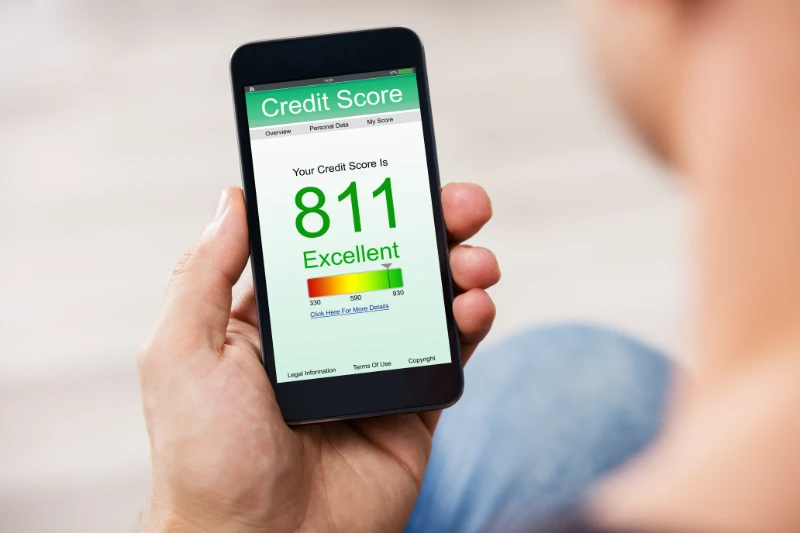
Your credit score is a key player in this process. Lenders use it to gauge your reliability as a borrower, and it heavily influences the interest rates you’ll be offered. A higher score generally means better loan terms and a lower interest rate, which can save you a lot of money over time. You are entitled to a free credit report from each of the three major credit bureaus every year. Knowing your score beforehand gives you a realistic idea of what to expect and helps you identify which lenders are the best fit for your financial profile. This knowledge empowers you to pre-qualify with more confidence.
Step 3: Compare Lenders and Offers
Now it’s time to shop around. Don’t just accept the first offer you see. Compare options from different types of lenders, including banks, credit unions, and online brokers like us. Look closely at the interest rates (APR), any origination fees, and the total cost of the loan. Many lenders offer a pre-qualification process, which lets you see potential rates and terms without a “hard” inquiry that affects your credit score. This is a great way to see what you might be eligible for. If you already have an offer, we’re happy to give it a second look to ensure you’re getting the best deal possible.
Step 4: Read the Fine Print Before Signing
Once you’ve chosen a lender and an offer, you’ll move to the formal application. This is where you’ll provide documents like your ID, proof of income, and address. The lender will then perform a hard credit inquiry, which can cause a small, temporary dip in your score. Before you sign anything, read the loan agreement from top to bottom. Make sure you understand all the terms, including the repayment schedule, any prepayment penalties, and all associated fees. If something is unclear, ask questions. A reputable lender will be happy to explain everything. When you’re ready, you can apply online with confidence.
Step 5: Use the Loan to Pay Off Debts Immediately
Congratulations, you’ve been approved! Once the loan is finalized, the funds will be disbursed either to you or directly to your old creditors. If the money comes to your bank account, your next move is critical: pay off all your old debts immediately. Don’t wait. The goal is to stop the high-interest charges on your old accounts as quickly as possible. Once they’re paid off, you can close those accounts and focus on your single, new monthly payment. This disciplined approach is the key to making your debt consolidation plan a success and building a healthier financial future.
What to Look for in a Great Debt Consolidation Loan
When you start shopping for a debt consolidation loan, you’ll quickly realize that not all offers are created equal. The right loan can be a powerful tool to simplify your finances and save you money, but the wrong one can leave you in a tougher spot than before. So, how do you tell the difference? It comes down to looking closely at four key areas.
Think of it as a checklist for finding a loan that truly works for you. A great loan isn’t just about getting a single monthly payment; it’s about securing favorable terms that help you get out of debt faster and more affordably. You’re looking for a combination of a low interest rate, a payment plan that fits your budget, minimal extra fees, and a lender you can actually trust. By focusing on these elements, you can confidently choose a loan that aligns with your financial goals and gives you a clear path forward.
A Competitive Interest Rate and APR
Your top priority when comparing loans should be the interest rate. The whole point of consolidating is to pay less in interest than you are now on high-rate debts like credit cards. If you have a good credit score, you may qualify for a rate that’s significantly lower, which can save you hundreds or even thousands of dollars over the life of the loan.
But don’t stop at the interest rate. Always look for the Annual Percentage Rate, or APR. The APR represents the true cost of borrowing because it includes the interest rate plus certain lender fees. This gives you a more complete, apples-to-apples way to compare loan offers. A loan with a slightly higher interest rate but lower fees might have a better APR than the reverse.
A Manageable Loan Term and Monthly Payment
A great debt consolidation loan offers a predictable repayment plan: you’ll make one fixed payment each month for a set number of years, typically between three and seven. This structure makes budgeting much easier. However, you have to find the right balance between the loan term and the monthly payment amount.
A longer term will give you a lower, more manageable monthly payment, which can be a relief for a tight budget. But keep in mind that a longer term also means you’ll pay more in total interest. A shorter term comes with higher monthly payments, but you’ll pay off the debt faster and save on interest. You can use a loan calculator to see how different terms affect your payment and find the sweet spot that works for your financial situation.
Minimal Fees and No Prepayment Penalties
The interest rate isn’t the only cost to watch out for. Some lenders charge an origination fee, which is a percentage of the loan amount (often 1% to 8%) that’s deducted before you even receive the funds. While sometimes unavoidable, the best loans have low or no origination fees.
Another critical feature to look for is the absence of a prepayment penalty. This penalty is a fee charged if you decide to pay off your loan ahead of schedule. A great loan gives you the flexibility to make extra payments or pay off the entire balance early without any extra cost. This empowers you to get out of debt on your own timeline. Always read the fine print to make sure you aren’t signing up for expensive and unnecessary fees.
A Reputable Lender with Strong Support
Who you borrow from is just as important as the loan’s terms. You want to partner with a lender who is transparent, helpful, and supportive throughout the process. Look for companies with strong customer reviews and accessible support. Can you easily reach a real person if you have a question? Do they take the time to explain your options and help you find a solution that fits your budget?
A reputable lender is invested in your financial success, not just in closing a loan. They should be a resource you can turn to for guidance. Before you commit, take a moment to learn about the company and its values. You want to work with a lender whose team is accessible and genuinely wants to help you achieve your goals.
Let’s Create Your Personalized Debt Plan
Okay, let’s roll up our sleeves and map out a plan that works for you. Taking the time to create a personalized strategy is the first real step toward getting your finances back on track. It’s about moving from feeling overwhelmed to feeling in control. The goal is to find a clear path forward, and a debt consolidation loan might be a key part of that journey for you. It’s one of the most common ways people manage multiple debts, so you’re in good company.
First, you need a complete picture of where you stand. Grab a notebook or open a spreadsheet and list every single debt you want to tackle. For each one, write down the total amount you owe, the interest rate (APR), and the current monthly payment. This includes credit cards, personal loans, medical bills, and anything else weighing you down. Once you have everything listed, add it all up. This total is the amount you’ll need for your new consolidation loan. This exercise isn’t just about numbers; it’s about gaining clarity.
With your debt inventory complete, you can start exploring your options. A debt consolidation loan helps you combine several debts into a single new loan, ideally with a lower interest rate and one manageable monthly payment. If you’re juggling multiple high-interest credit card balances, this could be a game-changer. The next step is to see what kind of loan you might qualify for. Many lenders, including us, allow you to check your eligibility without impacting your credit score. This is a great, no-pressure way to see what rates and terms are available to you. When you’re ready, you can get a quote to see how a consolidation loan could fit into your financial plan.
Frequently Asked Questions
Will a debt consolidation loan really help my credit score? It’s a great question, and the answer has two parts. Initially, you might see a small, temporary dip in your score when you apply because of the hard credit inquiry. However, the long-term effects are often very positive. By paying off your credit cards, you lower your credit utilization ratio, which is a huge factor in your score. Plus, making consistent, on-time payments on your new loan demonstrates responsible credit behavior. Over time, these actions can help you build a much stronger credit history.
What’s the difference between a debt consolidation loan and a balance transfer credit card? Both are tools to manage debt, but they work differently. A debt consolidation loan gives you a lump sum of cash to pay off your debts, leaving you with a fixed monthly payment and a set repayment term. You know exactly when you’ll be debt-free. A balance transfer card lets you move high-interest balances to a new card with a 0% introductory APR for a limited time. This can be great if you’re disciplined enough to pay off the balance before the promotional period ends, but if you don’t, the interest rate can jump significantly.
What should I do if I can’t get a loan with a lower interest rate? If the offers you receive don’t have a lower interest rate than what you’re currently paying, a debt consolidation loan probably isn’t the right move for you right now. The main goal is to save money on interest, and if that’s not happening, you’re just shuffling debt around. In this case, it might be better to focus on other strategies, like the debt snowball or avalanche method, to pay down your balances. You could also work on improving your credit score to qualify for better rates in the future.
After I pay off my credit cards with the loan, should I close the accounts? This might sound like a good idea, but it can actually hurt your credit score. Closing old credit accounts reduces your total available credit, which can increase your credit utilization ratio if you carry a balance elsewhere. It also shortens the average age of your credit history. A better approach is to keep the accounts open with a zero balance. If you’re worried about the temptation to spend, you can simply cut up the physical cards or store them somewhere safe.
Can I include federal student loans in my debt consolidation? You generally should not consolidate federal student loans with a private debt consolidation loan. While it’s technically possible, doing so would cause you to lose all the unique protections that come with federal loans. This includes access to income-driven repayment plans, deferment and forbearance options, and potential eligibility for loan forgiveness programs. It’s best to keep your federal student loans separate and explore federal consolidation or refinancing options specifically designed for them.

Related Posts